Month: August 2026

Interview with Author SJ Townend
by Camille McCullough As an avid reader and writer of horror, I am especially drawn to authors who use the genre not only to create fear but also to explore complex social and personal themes. SJ Townend’s writing speaks to these interests in several ways. I was drawn to her focus on feminism and women’s
The Art of Horror ARGs
by H.J. Dutton On July 30 of 1999, The Blair Witch Project opened in theaters. The found footage folk horror film follows three student filmmakers as they record a documentary about a small-town legend. Despite its tiny budget of around $45 thousand, the film became a legendary box office success, grossing $250 million worldwide. While
I Am Publishing Noir Falling Because I Hate Anti-Intellectualism (And It’s a Fun Read, Too)
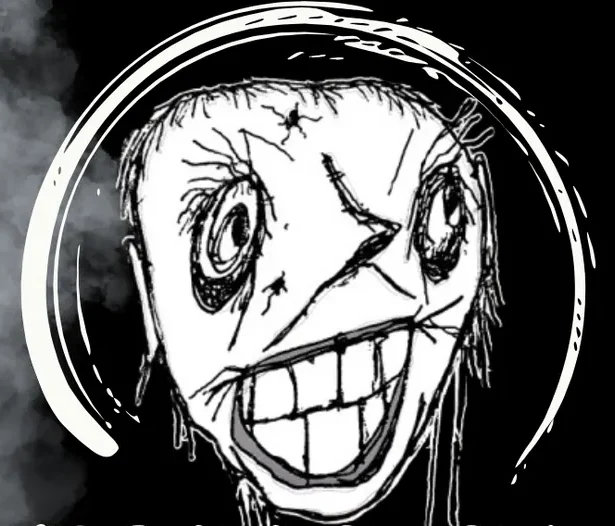
by L. Andrew Cooper American anti-intellectualism is stupid. Anti-intellectualism doesn’t have to be American to raise questions about the, um, intellects of the people who support it. Anti-smart isn’t smart. We’re at the level of the definitional, the self-reflexive. Read moreMeet Silas the Scribble Man!Not that self-reflection is a strength of the anti-intellectual. Self-reflection is

Four Internet Horror Stories
by H.J. Dutton Internet horror took its first steps in the early 1990s through epistolary works such as the first of the stories I’ve listed below, “Pickman’s Modem,” and other tales of web correspondence gone awry. These stories often derive their dread from web characteristics like anonymity, breaches of privacy, e-celebrity culture, and the “Wild
EXTREMELY WEIRD SPLATTER Written in Its Authors’ Guts: Interview with Monica J. O’Rourke
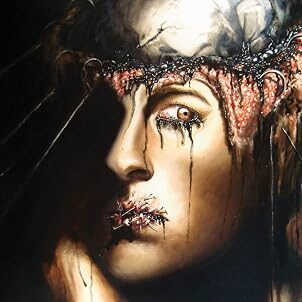
by L. Andrew Cooper As I put together the table of contents for the forthcoming anthology Extremely Weird Splatter, I asked authors to answer three basic questions about why they and their stories fit with a project aiming to fuse extreme horror and splatterpunk with weird fiction. Not entirely randomly, I sorted the responses into

Three Arctic Stories
by H.J. Dutton When writing her 1818 magnum opus Frankenstein, Mary Shelley used a framing narrative in which Dr. Victor F recites his tale to sailors trapped in the frigid Arctic wastes. This setting sets the tone for Victor’s background before his story even begins. Edgar Allan Poe’s The Narrative of Arthur Gordon Pym of