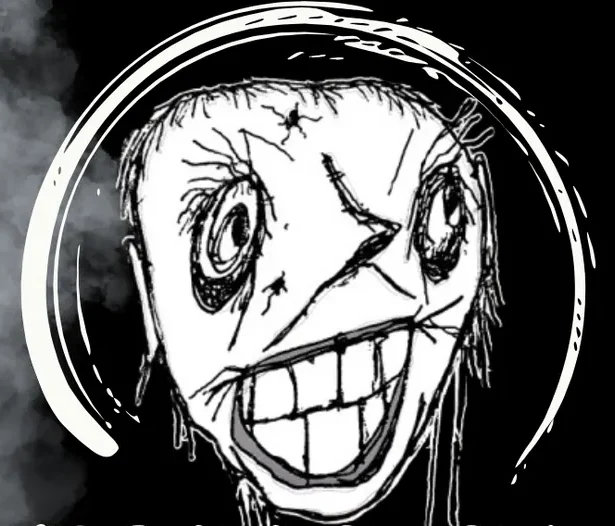

Internet Analog Horror: The New Kid on the Block
by H.J. Dutton
Though analog horror isn’t a new phenomenon, the term “analog horror” itself is relatively new. It came into popular use around the late 2010s with the creation of popular experimental web series. I’ll cover some of those projects, but first I want to tackle definitions. What is analog horror? Followers and creators of the works that wear the label often find it hard to give people a consistent answer. The category, being new, doesn’t have the same strict parameters as other, more established categories. In short, analog horror uses the aesthetics of pre-21st century technologies to evoke a unique blend of nostalgia and dread. It is similar to found footage horror in that it often uses handheld video (but VHS, not digital), but it’s also distinct in its use of many other analog formats: regular and emergency radio and television broadcasts (including public service announcements and advertisements), photography, slide carousels, and more.


To avoid confusion, consider analog horror in two categories: cinematic and internet. I’ll be talking primarily about the latter. For a film to count as cinematic analog horror, it must make use of at least two media, be they audio or visual. Ringu (1998) and its 2002 American remake, for example, both technically fit under the analog horror label because of their transitions between modern live-action filmmaking and choppy VHS clips. I Saw the TV Glow (2024) likewise flips between traditional live-action and a fictional children’s television broadcast. Internet analog horror, by comparison, has more freedom to play around with forms, to very mixed results. Its unconventional approaches to traditional visual and print storytelling have made it an endearing niche within the horror genre in a short time span. The Mandela Catalogue, a 2021 web series by YouTuber Alex Kister, predominantly uses slideshow and security footage formats rather than handheld cameras. Most cinematic and internet analog horror is not created using analog tools but rather is stylized to look as though it was. Stylized digital works still count as analog horror: the analog aesthetic, often combined with a fixation on the historical contexts of the earlier tech, is what gives analog horror its distinctiveness.
Below, I’ve compiled a short list of what I believe are the best of the best among internet analog horror. These works embody all the strengths of the unique category, using them to tell genuinely chilling stories in ways you’ll likely never experience in a movie theater.

“Local 58” – Kris Straub (2017)
Considered by many to be “patient zero” of the category, Straub’s creation would set the bar for future projects and lay the initial groundwork for what constitutes analog horror. It’s a simple but remarkably effective series that portrays a number of broadcast hijackings on a West Virginia public access TV channel. Each hijacking is wholly different from the last in how it evokes dread, making for one of the most diverse and unpredictable viewing experiences in the subgenre.
You can watch the full series here: https://www.youtube.com/@LOCAL58TV/playlists
“Cornerfolk” – Eve Casanas (2020)
This is a single entry in a much larger work titled “The Monument Mythos” (2020-2024), and it is in my opinion the best thing its creator has ever produced. This single short follows a man’s fixation with the titular interdimensional entities as they pass through the corners of his house’s interior. As his interest spirals into obsession, he gets the bright idea to enter the realm of the cornerfolk. Casanas crafts quintessential cosmic horror with nothing but VHS and voice-overs of still images.
“Dog Nightmares” – Piggy Soda (2022)
For over 45 years, photographer and filmmaker William Wegman made a career out of taking polaroid photos of his weimaraner dogs dressed in human clothes. Wegman used reel-to-reel video equipment when filming his shorts, which featured the same dogs. Most peoples’ only memories of Wegman’s work came through old episodes of Sesame Street, episodes that probably left them feeling vaguely unsettled but unable to explain why. This subtle unease is something Piggy Soda takes and uses to its fullest extent in her short horror series about Wegman’s work. “Dog Nightmares” is a phenomenal exercise in quiet dread that perfectly captures the feeling of being in a house alone at night. It’s a must-watch.
“Morley Grove” – Remy Abode (2023)
Those who aren’t familiar with internet horror at all are still vaguely familiar with slenderman, be it through memes, graffiti, or more likely the infamous 2014 stabbing. He’s a modern boogeyman., and in recent years, he has seen a small revival in popularity, predominantly through digital and analog horror. And the most impressive thing to come out of this revival is by far “Morley Grove,” by the mind behind the equally wonderful “Gemini Home Entertainment” (2021). “Morley Grove” follows a series of missing persons cases documented via recordings and photographs, all surrounding a local urban legend called the “Morley Man.” That’s all I’ll say about its plot. It’s best to experience it – and its terrifying finale – blind.
“The Signal” – Chilling Abyss (2024)
Another foray into the subject of cosmic horror, this example pushes the envelope even further by removing the use of handheld footage altogether. Instead, the creator makes use of nothing more than black backgrounds, white texts, and a few unnerving photos. Despite its limitations, it’s one of the most powerful horror stories on the list, unnerving the reader with nothing more than a line moving slowly across a screen. It’s small yet lethal projects like these that empower other young artists to make the most of whatever limited resources they have.
Don’t miss the follow-up to this article in April…