

Five Seaside Stories
by H.J. Dutton
…with commentary by Ramsey Campbell and Brian Hodge!
I propose two reasons why so many horror stories have seaside settings.
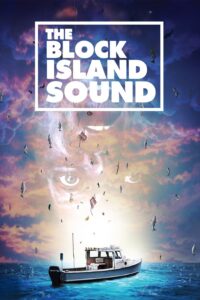
First, the edge of an island or continent functions as a liminal space between the known and the unknown. It is a threshold between human civilization and a realm that humans have never been able to tame. In landlocked areas, people can ignore the sea and the lack of control it represents. Coastal communities have no such luxury. Every day, they confront the unknown, which can create the sort of dread illustrated in the 2020 film The Block Island Sound. This story gives plenty of reason for dread when something starts killing the local sea life, pulling a fisherman’s family into a cosmic nightmare.
Second, popular ideas about seaside towns give them dual atmospheres, conjuring images that flip between picture-perfect charm and eerie gloom. Eerie gloom is a feature of many coastal communities, which are more susceptible to rough weather that wears down infrastructure. In addition, such communities often run on seasonal economies that leave their streets near-barren during fall and winter (Fiorentino 2023). This drastic shift in activity between seasons can create a sense of wrongness and/or liminality.
Michael McDowell’s 1981 classic The Elementals offers readers a distinct flavor of this seaside gloom. Rather than a coastline shrouded in gray skies and fog, McDowell subjects the Savage and McCray families to daytime terror. The blinding sunlight, empty landscape, and rhythmic thump of waves quickly become an ever-present curse.
Below I’ve compiled a short list of my favorite examples of seaside horror.

“Out of the Sea” – A.C. Benson (1904)
Shortly after the recent arrival of a shipwreck on the shores of Blea, a local farmer approaches Father Thomas and claims something from the wreck is tormenting his family. This is classic folk horror and one of Benson’s best.
“A Warning to the Curious” – M.R. James (1925)
Another classic. Paxton, an academic with a passion for archeology, discovers the location of one of the legendary East Anglia crowns. Unsurprisingly, unearthing the crown turns out to be a very bad idea.
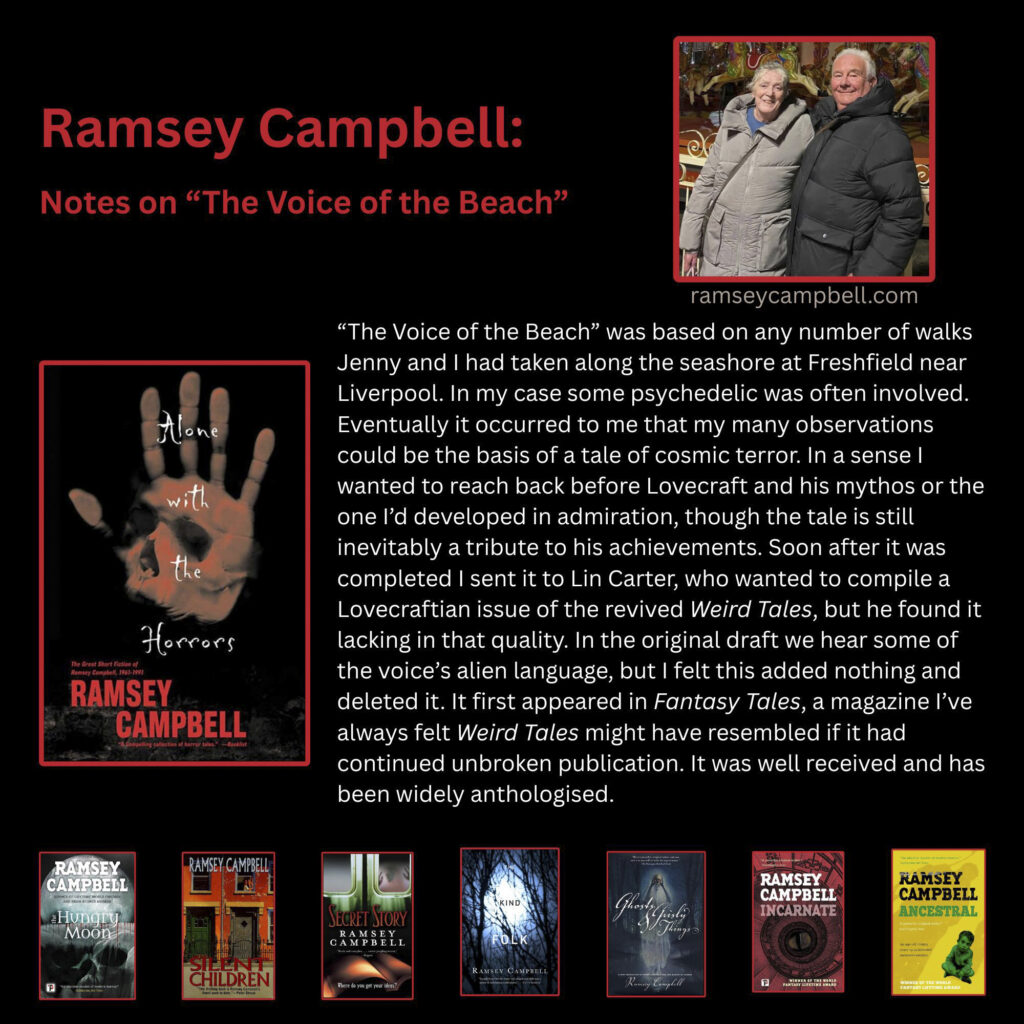
“The Voice of the Beach” – Ramsey Campbell (1982)
When his friend rents a beachside bungalow, Neal takes the opportunity to visit for a short while and enjoy the scenery. His stay turns into a nightmare when the beach itself begins to show signs of sentience.
“He Sings of Salt and Wormwood” – Brian Hodge (2019)
Danny Yukimura, retired surfer and freediver, discovers a handful of peculiar driftwood washed up outside his beachfront house. The wood and the carvings on it seem to be tied to the strange species of worms that dwells offshore.

“Perfect Water” – Simon Gilbert (2024)
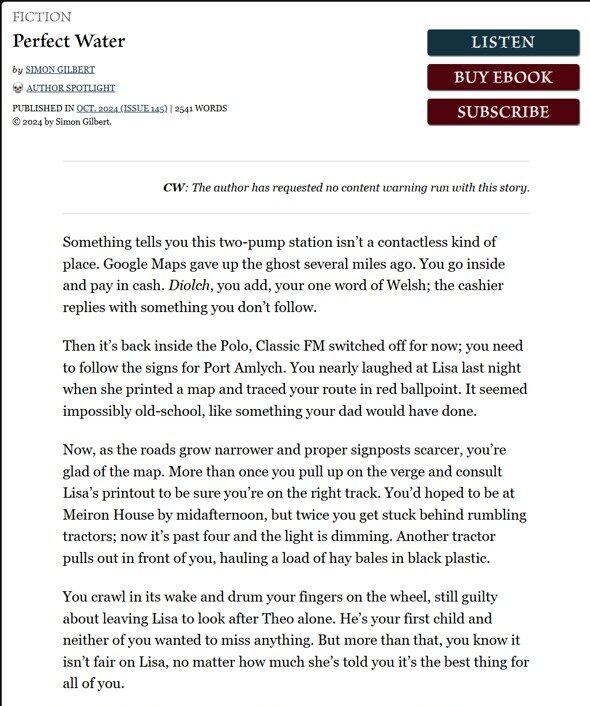
When on a work trip, a man tests the quality of local coastal waters and discovers how abnormally clean they are. The story builds superb eeriness as it escalates slowly and surely toward its devastating answers.
Work Cited
Fiorentino, Stefania. “Coastal Towns as ‘Left-behind Places’: Economy, Environment and Planning | Cambridge Journal of Regions, Economy and Society | Oxford Academic.” Oxford Academic , 14 Dec. 2023, academic.oup.com/cjres/article/17/1/103/7473358.
For more stories of the seaside and the sea, dive into the Horrific Scribes archive:
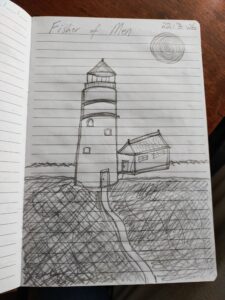
Read Aaron Beardsell‘s short story “Fisher of Men” in Horrific Scribes July 2026.
Description: A dark lighthouse summons those who are lost. What will be found within?

Read Nicholas De Marino‘s pair of poems Living Nightmares in Horrific Scribes October 2025.
Description: Bodies, bodies everywhere, nor any soul to scrape. (Two poems, “a swollen metallic dolphin” and “Beach Body”)

Read E.J. LeRoy‘s short story “Remy de Montfort of Dubcon Palace” in Horrific Scribes August 2025.
Description: Enslaved in Barbados after becoming entangled in the Monmouth Rebellion of 1685, Remy de Montfort, a deposed French aristocrat turned London thief, makes a daring escape. But on the rowboat to freedom, he makes a brutal discovery about his existence.
Leave a Reply