
Four Desert Stories
by H.J. Dutton
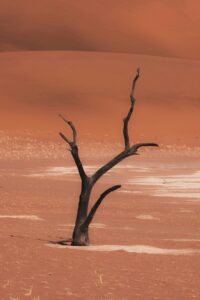
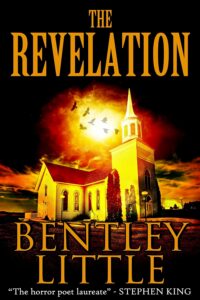
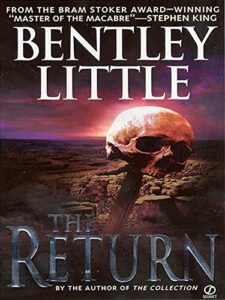
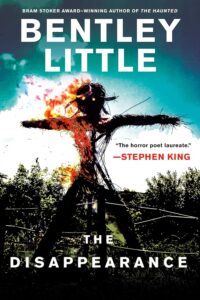
Among the most inhospitable places on the planet is the desert. The desert’s unwelcoming attitude is something our pop culture depictions get (mostly) right. In T.E. Lawrence’s 1926 classic Seven Pillars of Wisdom (the basis for the 1962 film Lawrence of Arabia), George Miller’s Mad Max: Fury Road (2015), and Arizona-based author Bentley Little’s extensive resume of horror set in the Southwest (The Revelation, The Return, The Disappearance, etc.), the desert is consistently a place of desperation and impending death. Scorching heat defines its days,, bitter cold its nights. Extreme water scarcity makes prolonged survival nearly impossible for anything that hasn’t evolved there over millions of years. And yet, despite its reputation as the ultimate deathtrap, the desert is surprisingly rare within the horror genre.
Multiple factors could explain this rarity – such as the setting’s open vistas lacking the claustrophobia so important to horror since early Gothic – but I would argue its scarcity within horror actually comes from the lack of hospitality that at first makes it seem so suitable for the genre. The desert’s sense of doom, of almost inevitable death, risks stripping the ambiguity of diverse possibilities from a story. There’s little for a reader to anticipate; they know how the characters will meet their end. A skilled writer can overcome the dullness typically resulting from such predictability through endearing the characters to the audience, but focusing on character tends to make stories and the threats in them more grounded, and a focus on the grounded threat the desert poses might transform a tale from a horror story into a survival story (perhaps a dark adventure). In order for a desert horror story to retain its horror, it must hinge its fear factor on the psychological dread of the scenario or couple the grounded challenges with a supernatural threat.
Many of the stories below take the latter approach to great effect.

“A Distant Episode” – Paul Bowles (1947)
In this controversial classic, an arrogant, contemptuous linguist visits the Reguibat tribe situated in Morocco’s Maghreb region. After breaking their taboos, the linguist is subjected to a fate worse than death. Shocking even by today’s standards, this story features an embellished and inaccurate depiction of indigenous peoples some readers may wish to skip.
“It Only Comes Out at Night” – Dennis Etchison (1976)
On their road trip through the Mojave desert, a couple – McClay and Evvie – stop at a run-down gas station to stretch their legs and refuel. This proves, much later, to have been the worst mistake of their lives. It’s a masterful example of sudden, crushing danger noticed far too late.
“Fish Night” – Joe R. Lansdale (1982)
Many of the areas we know as deserts today were, in fact, once the floors of prehistoric seas. Fossils entombed under the sand tell the story of a marine ecosystem once teeming with life. Lansdale’s story in particular is set in the Mojave Desert of Southwest US, once an inland sea of the Pacific Ocean. And unfortunately for our protagonists, the echoes of that desert’s past manifest in a haunting and deadly manner. This short story was adapted for episode 12 in season 1 of Love Death + Robots.
“Buggage” – Edward Bryant (1987)
The narrator, an anonymous drifter, documents his trek across the United States. Gradually, he comes to the nightmarish realization that something has hitched a ride on him. A seamless blend of psychological and body horror that – pun intended – gets right under your skin.
If you want more desert horror, visit these tales in the Horrific Scribes archive:

Read James Best‘s short story “Dead or Alive” in Horrific Scribes October 2025.
Description: In the back country of the Mexican desert, two gringo outlaws on the run from a bank heist encounter an otherworldly horror.

Read Lira Palmer‘s short story “Calypso” in Horrific Scribes June 2025.
Description: “Calypso” is a nightmarish story about a haunted woman’s search for a rare orchid, blending both botanical curiosity and ritual mysticism.